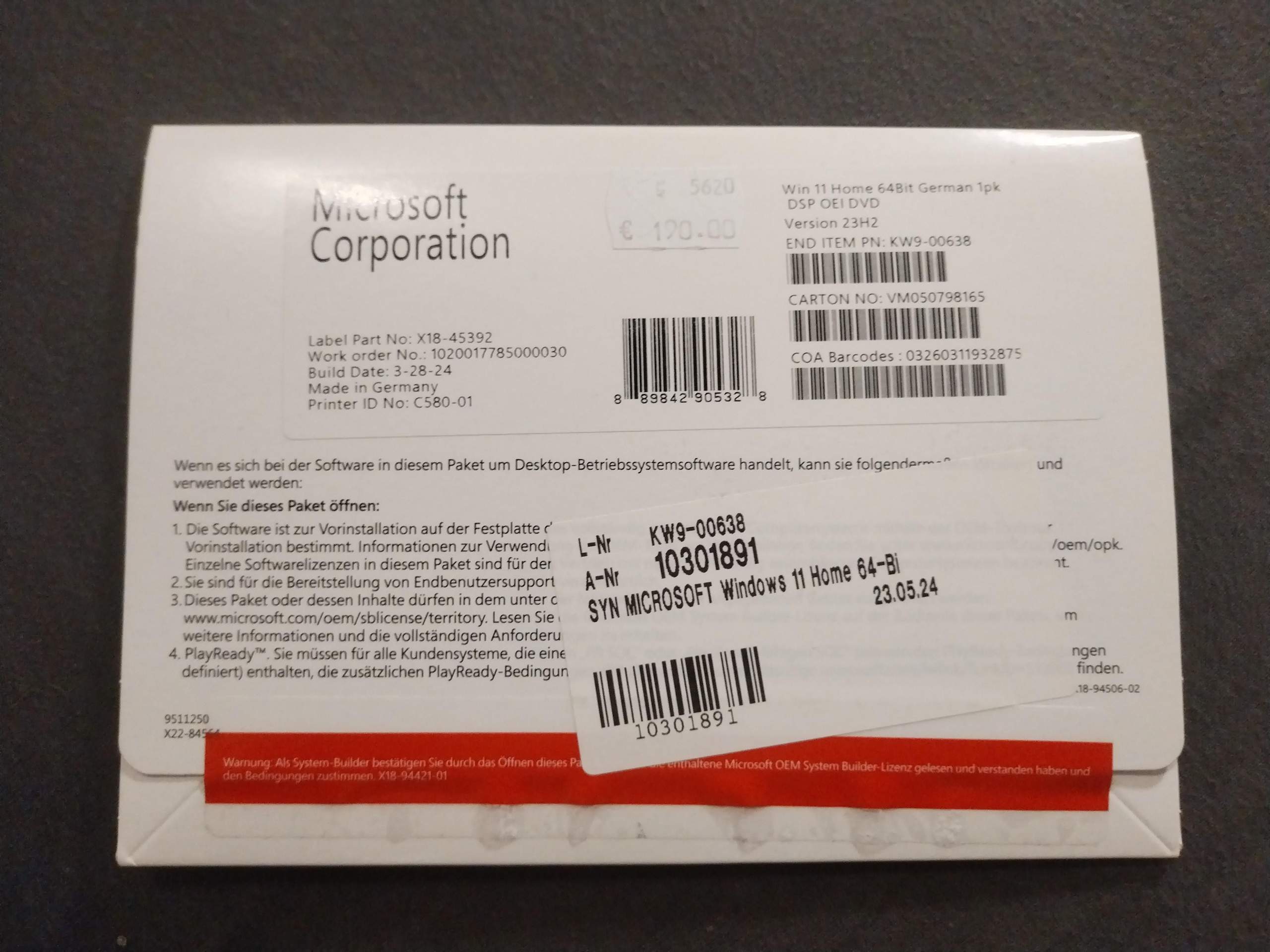
Microsoft Office And Windows Licensing For Small Businesses: Affordable Options. It's an investment that lowers risk in the long-term, and ensures compliance, and grows with growth. Unorganized purchases of grey-market "windows 11 OEM" keys and office lizenz create weak, unsecure, and unmanageable IT foundation. True cost-effectiveness comes from knowing how Windows licensing, Office subscriptions, and even security tools interlock to create a cohesive system. This guide goes far beyond simply comparing prices to review the top ten important aspects to be considered in creating a long-lasting professional, professional and ultimately, affordable software for business.
1. Windows 11 home has no place in an enterprise.
The most frequently made and expensive mistake is buying a cheap "Windows 11 Home key" for your business workstation. Windows 11 Home does not permit the joining of to an Active Directory or Azure Active Directory domain. Also, it is not equipped with BitLocker for encryption of sensitive data. It also requires frequent updates. Windows 11 Pro will be mandatory on all devices that handles business information. To ensure security, manageability, and professionalism, the minimal upfront cost isn't negotiable. Businesses that rely on Home licensing operates under consumer standards, which is a serious liability.
2. Calculator of Hardware Refresh Costs: OEM in comparison to. retail.
When you `windows 11 kaufen for business, the OEM vs. Retail decision has long-term financial implications. A OEM license is cheaper upfront, however it expires on the first computer it's installed on. A retail license is transferable. For budget, disposable PCs you'll replace the entire system each 3 to 4 years, OEM can make sense. Retail licenses work well for top-end workstations, and also if you're attempting to upgrade individual components. Determine your Total Cost Of Ownership (TCO). For instance If the lifecycle of your PC is priced at $800 and the OEM Pro license cost $140 in comparison to. retail at $200, a $60 Retail upgrade is a low-cost insurance policy against the possibility of hardware decommissioning in the future.
3. The Microsoft Ecosystem 365: Where Cost-Effectiveness is Real.
Office 2021, for example it is no longer offered in a single-time office license. Microsoft 365 Premium Business Edition (approx. This bundle can be the most value. It includes: Windows 11 Pro upgrade rights (solving your `windows 11 lizenz kaufen` need), the full Office suite, 1TB OneDrive cloud storage, business-class email, and–crucially–Intune for device management and Azure AD for identity. This subscription is a modernization of the desktop and gives the management tools difficult to get with standalone software. It turns IT into a capital cost (CapEx) into an operational expense that is predictable (OpEx).
4. Windows 7 Upgrade path: Security and compliance mandate
Companies that are still using Windows 7' are sitting on the brink of software that isn't supported. The process of upgrading software isn't just about the latest features. It's also a requirement for security and compliance. It's essential to know that the best way to proceed doesn't involve buying a windows11 license. This is an opportunity to review the whole software package. Microsoft 365 Business subscriptions enable cloud backup and remote work. Making the switch to a computer running Windows 7 + perpetual Office enhances the security of your device in addition to allowing users to switch to Windows 7+ perpetual Office. The cost of the subscription is and not just an OS key.
5. Understanding future growth costs by comprehending the "CAL Shadow Cost".
Client Access Licenses must be set aside if your servers on premises will require to be able to support database, file sharing as well as business software. A CAL is required for each user or device who connects to the server. This cost is separate from the Windows Pro desktop licence. Budgets for small businesses must include CALs into their long-term plans. Windows 11 Home, which is not legal to access Windows Servers in a business context, or unlicensed access can create a severe chance of not being in compliance during an audit of software.
6. Bundling Security vs. Best of Breed
The complexity of licensing is influenced by the option you choose between Windows Defender, which comes included in the package, and third-party software like "kaspersky premium" or "norton 360". Microsoft 365 Premium offers enhanced Defender security as well a centralized threat-management. An additional suite that is an outside vendor could be redundant and add cost and overhead for management. The consistency is crucial, however, if there are any regulatory requirements or if you prefer a console made by an entirely different firm. The licensing of one solution across multiple workstations can be far more cost-effective and manageable than a patchwork. The "cost" in security is often the labor to manage multiple systems and not the subscription fees.
7. Grey Market Trap – False economy in licensing
A search for Windows 11 lizenz purchase or office license on marketplaces that aren't official can reveal prices that are too high to be real. These are typically volume license keys, OEM keys violating terms or keys from other regions. Microsoft may deactivate them making you insecure and unlicensed software, and the possibility of a fine in the event of an audit. This is a risky situation for a company. True cost-effectiveness requires purchasing from authorized distributors or through the Microsoft Cloud Solution Provider (CSP) program, which guarantees full legitimacy, support, and upgrades rights.
8. PerpetualOffice2021: The Niche for Static Air Gapped scenarios.
Office Professional 2021, for instance, is an insufficient business scenario. This is for a computer which will never require cloud services or an management system. It will also have the same features for at least 5 years (until it stops supporting). It's rare. Subscription models are better for small-sized businesses that require collaboration (Teams and SharePoint), cloud storage, mobile access etc. The "costs" of perpetual licensing include locked-in software stagnation and lost productivity gains.
9. Modeling Your Mobility.
The old licensing model is device bound (one "Windows 11 OEM" license per PC). The modern model, via Microsoft 365, is user-based. One user license can be used on up to five devices, comprising PC, Mac, tablet and phone. It's an affordable choice for companies with employees who are mobile, hybrids, or that provide desktops and laptops. The individual is licensed but not the machine. When you are planning your licensing strategy, model your actual workforce mobility. When compared with an approach which relies on hard-to-move devices, a subscription that is based on user will significantly cut down on the number of licenses you need.
10. The process of creating an Coherent Stack to help you prepare for audits.
The goal is to create the creation of a straightforward, well-documented and legally coherent software stack. Microsoft 365 Premium for Windows 11 Pro (per user), Office, Management Security + Retail or OEM Windows 11 Pro Licenses for any devices (e.g. kiosks) that are not covered by the subscription. Secure, consistent security practices (either via Defender in M365, or through a central, third-party application). This stack offers audit-ready functionality as well as scalable and predictable. The hidden costs of chaos are the "costs" that this stack eliminates that are caused by incompatible systems and data loss due to insecure security, and risk of legal liability from infractions. Check out the top rated windows 11 oem for more examples including ms office 2016, microsoft visio software, windows server 2019, ms project, microsoft project, microsoft visio, office key, windows office software, visio download, windows server 2016 and more.
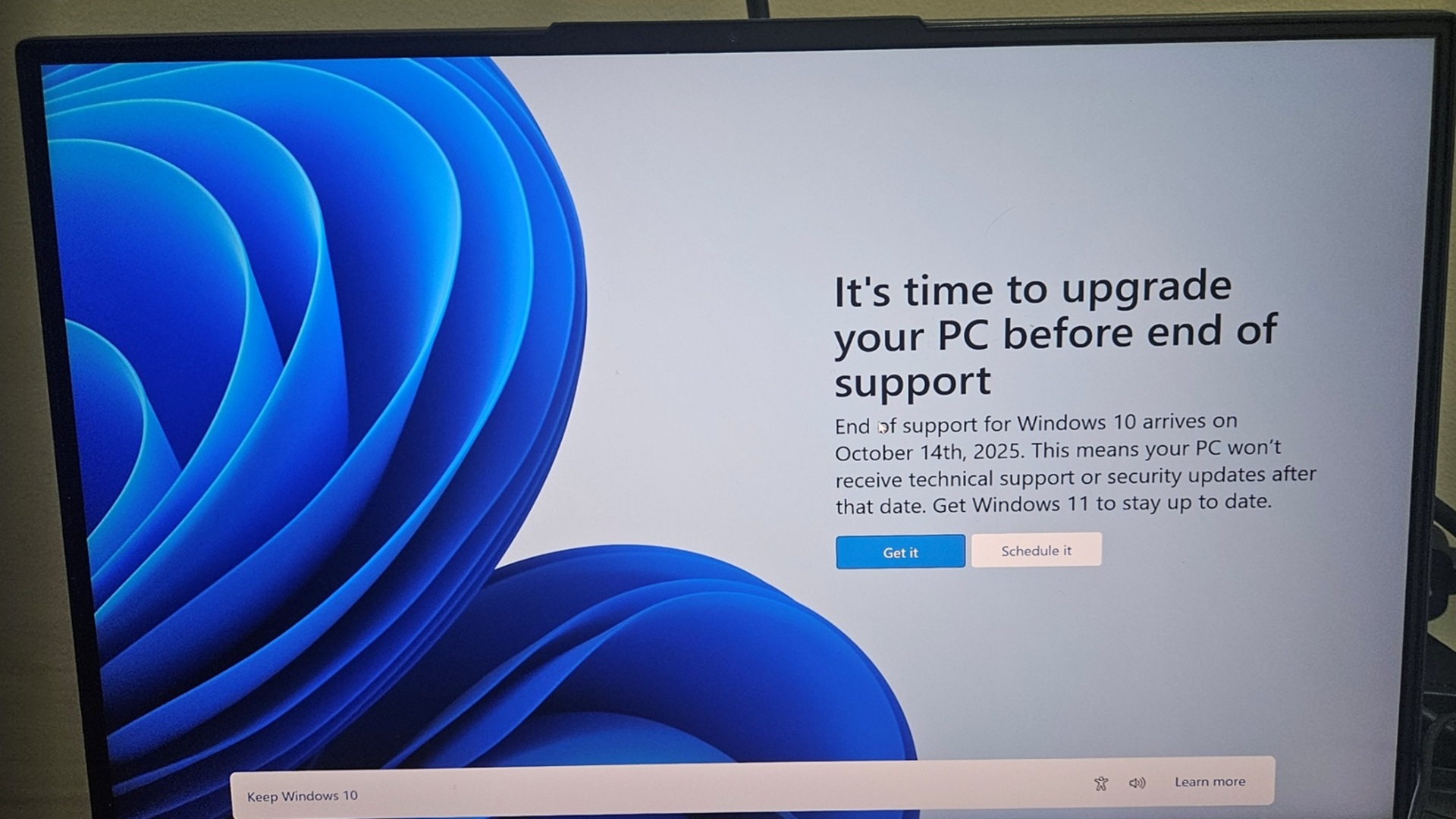
Software Licensing: From One-Time Purchases To Subscriptions.
The transition from buying a windows7 DVD in the form of a package, to signing up for a Microsoft 365 service represents one of the biggest changes that have occurred in the digital age. This isn't just a shift in payment methods. It's a change in the relationship between the software and the user and has a cascading effect on productivity, security, and total cost of ownership. The old paradigm–exemplified by a one-time `office lizenz kaufen` or an `windows 11 oem` key tied to hardware–valued static ownership and predictable, upfront capital expenditure. Subscriptions (via Microsoft 365), kaspersky premium and norton 360 swap this long-term stability for constant updates cloud integration, as well as an upgrade to operating expenses. Understanding this change will allow you to navigate modern licensing and avoid dangers of grey market keys.
1. The Security Imperative was the driving factor behind the transformation.
The old, one-time purchase model crumbled under the pressure of cybersecurity threats in the current age. As security threats get more sophisticated and sophisticated, a perpetual license purchased prior to 2019, or an older windows 7, becomes vulnerable. Subscription plans align vendors with users' ongoing security. Microsoft will continue to upgrade Defender and Office 365 to justify your monthly charge; Norton and Kaspersky must include new security options to keep you. The old model had end-of support cliffs, like Windows 7's. But the subscription provides a constantly maintained security perimeter.
2. From Product to Platform: The Ecosystem Lock-In.
An one-time product purchase is an online platform. A subscription is for a specific platform. The purchase of a Windows 11 home key` gets you an OS. By signing up to Microsoft 365 Business gets you Windows 11 (with upgrade rights), Office, OneDrive, Teams, SharePoint, and Intune device management. It's the seamless integration that makes Microsoft 365 Business important. This results in a powerful locking-in effect, however it also creates immense efficiency, as well as capability. The licensing unit is transferred from the device to the user's identity.
3. Existential Crisis in the Grey Market
The subscription model comes with a built-in antipathy to the black market that thrives off windows11 kaufen scams. A subscription key, which are not static strings of characters but a account credential instead it's the same. It expires and is tied to billing. Volume Licenses as well as OEM keys cannot be sold in a way that is illegal. Subscriptions are gradually killing the key reseller industry, bringing customers to legitimate channels or leaving them with obsolete, insecure perpetual versions.
4. Business Accounting Revolution: Predictable OpEx and Lump-Sum CapEx.
For companies, this change moves software from an expense for capital (CapEx–a huge, often-infrequent expenditure depreciated over years) into an operating expense (OpEx–a constant, predictable expense). Small businesses can benefit from a better cash flow. Budgeting can also be affected. You must now account for the ongoing cost of calsfor your windows server 2025and monthly charges per user for security and productivity suites. The total cost for 5 years of a subscription usually exceeds the old one-time cost however it also includes ongoing development and support that the previous model did not provide.
5. Windows 11 Dual nature: The "Hybrid Model" and its ambiguities as well as the "Hybrid Model".
Windows 11 uniquely straddles both eras. You can still buy an OEM Windows 11 license or Retail license a single time (the traditional model). Also available is a Microsoft 365 Business/Enterprise benefit (the new model). This hybrid status causes confusion. Windows subscriptions don't concern the OS in a traditional sense. They're about having the right to be able to use the latest version of Windows and its associated cloud services. There are two classes of users created by this: those who own an image (Windows 11-24H2), and those who lease an constantly up-to-date service that is continuously updated.
6. The first pioneers of Third Party Protection Suites were a third party.
Early adopters of subscription-based software for consumers included Norton (norton360) as well as Kaspersky ("kaspersky premium). Their business always relied on the latest threat definitions. They transitioned seamlessly from selling "3-year licenses" to an automatic renewal subscription. Bundling new services such as VPNs as well as password management as well as cloud backup, was usually done to increase monthly value and reduce churn. Their model was the genesis of the larger industry shift.
7. The Server-Side Parallel CALs as the original "User Subscription".
Client Access Licences (cals) A concept to be used in "Windows Server 2025" is an early prelude to subscriptions. The Client Access Licenses provide a continuous right to use the software, regardless of whether you've purchased the server previously. Although traditionally purchased in bulk, they function as an "subscription", per-user/per device, to the server's service. Azure cloud models modernize this, charging compute, user access and storage per second or third month, or even the quarter. This is the last step in the evolution of perpetual server licenses, CALs and, to pure consumption based pricing.
8. The Data Sovereignty Challenge, and the Loss of 'Permanence'
The dark side of subscriptions is the loss permanent access. If you decide to stop paying the monthly subscription fee for Office lizenz, you could lose access to applications, and your data could be lost if it is stored within the cloud ecosystem of the ecosystem. A perpetual Office 2021 license keeps functioning forever, albeit frozen in time. This gives power to the vendor and causes the possibility of data locking. In the context of the subscription strategy, a savvy user will have a plan for data extraction and transfer. A boxed version of Office 2010 does not require this.
9. Fragmentation and the Bundling counter-trend
As a way to combat subscription fatigue, we're seeing a number of trends. Marketing tools such as "Lifetime Licenses" specifically designed for niche software profit from the issue of subscription fatigue. The bundling of subscriptions -similar to the norton360 + Office deal is a strategy to create value and ease in an increasingly fragmented world of subscriptions. But, as we've previously discussed the bundles typically combine an annual subscription (Norton) along with a perpetual license (Office), creating an unrelated hybrid that shows the industry's ambiguous shift to a new state.
10. Strategic Licensing: The Integrated Stack in the Subscription Age
In the modern world of business that could mean: Microsoft 365 Enterprise subscription (handling Windows, Office and email as well as Endpoint Security/Management) + Azure AD & Intune (for identity and device management replacing the traditional Windows Server 2025 or 'cals functions) + potentially specialized third-party security layers. Microsoft 365 Enterprise is likely to include: Windows, Office 365, Email, Collaboration & Endpoint Security/Management, Azure AD and Intune for identity and device management, replacing the traditional Windows 2025 and cals features and a specific third-party security layer, such as Kaspersky Premium, for the purpose of advanced threat hunting. The goal here is to streamline the vendors, make management simpler and create an integrated and seamless utility as electricity, which manages the business continuously and predictably. Check out the top rated office lizenz for blog examples including office 2016 software, microsoft office with key, windows server software, office 2019 professional plus, windows office software, windows server 2016 server, ms office 2016, windows office software, office 2019 professional plus, windows server software and more.