
Purpose-driven leadership is more than just a management style; it is a philosophy that aligns values, vision, and action to create meaningful outcomes.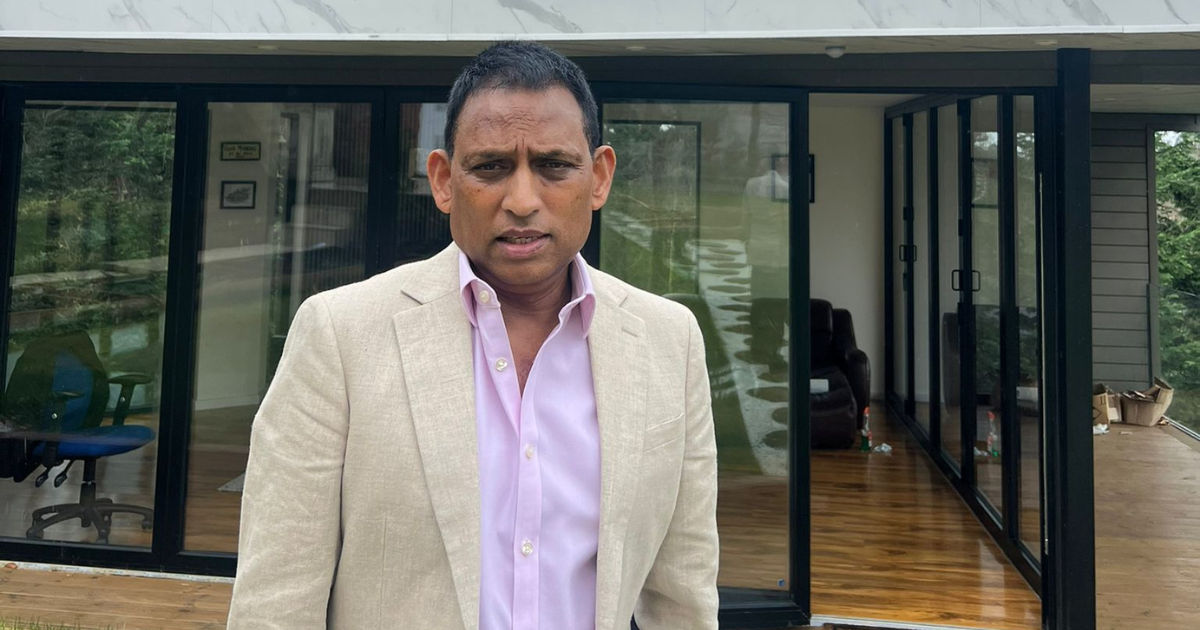
In today’s fast-paced and often impersonal corporate world, leaders who operate with a clear sense of purpose stand out for their ability to inspire teams, make ethical decisions, and create lasting impact. One leader who exemplifies this approach is Sheth Jeebun.
Through his work in healthcare and elderly care, Sheth Jeebun demonstrates how leadership grounded in purpose can transform organizations, improve lives, and foster a culture of trust and integrity.
Understanding Sheth Jeebun’s approach provides a roadmap for anyone seeking to practice leadership that goes beyond profit or routine management.
This blog explores how Sheth Jeebun embodies purpose-driven leadership, the principles that guide his decisions, and the tangible outcomes that reflect his values.
The Foundation of Purpose-Driven Leadership
Purpose-driven leadership begins with clarity about why a leader exists and what they aim to achieve. Unlike conventional leadership, which often focuses solely on efficiency, targets, or financial results, purpose-driven leadership integrates personal and organizational values. Sheth Jeebun has built his career around a clear purpose: improving the quality of care for the elderly while promoting dignity, respect, and compassion.
For Sheth Jeebun, leadership is not merely about holding a position of authority. It is about inspiring others to contribute meaningfully to a shared vision. He emphasizes the importance of aligning personal values with organizational goals. By doing so, he ensures that every decision, whether operational or strategic, reflects the broader mission of positively impacting lives.
Vision and Strategic Clarity
One of the hallmarks of Sheth Jeebun’s leadership is his commitment to a clearly defined vision. Purpose-driven leaders like him know that a strong vision serves as both a guide and a motivator. In his care institutions, Sheth Jeebun focuses on creating environments where patients and residents feel valued and empowered.
His vision is not abstract. It is translated into specific practices, such as personalized care plans, staff training programs, and policies that prioritize patient dignity. By articulating a vision that is tangible and actionable, Sheth Jeebun ensures that every member of his team understands not only what they are working toward but also why it matters. This clarity reduces confusion, aligns efforts, and inspires collective commitment.
Leading with Empathy
Empathy is central to purpose-driven leadership. Sheth Jeebun understands that effective leadership requires more than instructions or directives; it requires emotional intelligence and genuine concern for others. He prioritizes listening to both patients and staff, seeking to understand their challenges and aspirations.
By modeling empathy, Sheth Jeebun creates a culture of care that extends beyond the organization. Staff members feel respected and supported, which increases engagement and performance. Patients experience higher levels of satisfaction, trust, and comfort. Empathy becomes both a guiding principle and a practical tool, enabling Sheth Jeebun to respond thoughtfully to complex situations and make decisions that reflect human values.
Ethical Decision-Making
Purpose-driven leadership is inseparable from ethical responsibility. Sheth Jeebun consistently demonstrates integrity in decision-making, ensuring that choices align with both moral standards and organizational values. He emphasizes transparency, accountability, and fairness, even in situations where ethical decisions may conflict with short-term gains.
For example, when implementing new policies or technologies, Sheth Jeebun carefully considers their impact on patients and staff. He prioritizes safety, accessibility, and dignity over efficiency alone. By doing so, he establishes trust with stakeholders and sets an example for others in leadership positions. This commitment to ethics reinforces the purpose-driven nature of his leadership and strengthens the credibility of his organization.
Empowering Teams
Purpose-driven leaders like Sheth Jeebun recognize that lasting change cannot occur through top-down directives alone. Empowering teams is essential for achieving shared goals and sustaining organizational success. Sheth Jeebun invests in training, mentoring, and professional development to help staff grow in both skills and confidence.
He encourages collaboration, open communication, and innovation. Team members are invited to share ideas, participate in decision-making, and contribute to problem-solving. By fostering a sense of ownership and responsibility, Sheth Jeebun ensures that the purpose of the organization is lived daily by every individual. This approach not only enhances performance but also strengthens morale and loyalty.
Focus on Long-Term Impact
Short-term gains can be tempting, but purpose-driven leaders prioritize long-term impact. Sheth Jeebun’s initiatives are designed with sustainability in mind. Whether it is implementing new care practices or investing in staff well-being, he evaluates decisions based on their enduring effect rather than immediate outcomes.
This long-term perspective allows him to build institutions that remain resilient, adaptive, and committed to their mission. Staff turnover is reduced, patient outcomes improve, and the organization develops a reputation for quality and reliability. Sheth Jeebun’s focus on lasting results illustrates how purpose-driven leadership balances ambition with responsibility.
Communication as a Leadership Tool
Communication is a cornerstone of purpose-driven leadership. Sheth Jeebun ensures that his vision, values, and expectations are clearly conveyed across all levels of the organization. He uses storytelling, transparent reporting, and regular feedback to connect with staff and patients alike.
Through effective communication, Sheth Jeebun inspires commitment, builds understanding, and encourages collaboration. His ability to articulate the “why” behind every action makes it easier for others to align their efforts with the organization’s purpose. Communication is not just about giving instructions; it is about creating meaning and fostering a shared sense of direction.
Adaptability and Resilience
Purpose-driven leadership requires the ability to navigate challenges without compromising values. Sheth Jeebun has demonstrated adaptability in responding to changes in healthcare regulations, technological advancements, and societal expectations.
Rather than seeing obstacles as setbacks, he treats them as opportunities to refine practices, innovate, and reinforce his mission. His resilience inspires confidence among staff and patients, reinforcing the idea that a purpose-driven approach is not static but evolves in response to real-world conditions.
Integrating Values into Daily Practices
For Sheth Jeebun, purpose is not a slogan or a statement on a wall. It is integrated into every aspect of daily operations. Staff meetings begin with discussions about patient-centered care, training programs emphasize ethical behavior, and performance metrics are linked to value-driven outcomes.
By embedding purpose into everyday practices, Sheth Jeebun ensures that the organization’s mission is consistently reinforced. This approach helps maintain focus, prevents mission drift, and cultivates a culture where purpose informs decision-making at every level.
Measuring Success Beyond Numbers
Traditional leadership often equates success with financial performance or market share. Sheth Jeebun, however, measures success by the quality of care, employee satisfaction, and community impact. Purpose-driven leaders evaluate outcomes in terms of human well-being and social contribution.
Patient feedback, staff engagement surveys, and community recognition serve as indicators of effectiveness. These metrics reflect the broader impact of purpose-driven leadership, showing that success is multi-dimensional and deeply connected to human values.
Mentorship and Succession Planning
A purpose-driven leader ensures that their values continue beyond their tenure. Sheth Jeebun places significant emphasis on mentorship and succession planning. He identifies and cultivates future leaders who share the organization’s mission and understand the importance of values-driven decision-making.
By developing the next generation of purpose-driven leaders, Sheth Jeebun ensures that his vision and ethical standards remain embedded in the organization’s culture. Mentorship fosters continuity, strengthens organizational resilience, and amplifies the long-term impact of his leadership.
Community Engagement and Social Responsibility
Purpose-driven leadership extends beyond organizational boundaries. Sheth Jeebun actively engages with the broader community, supporting initiatives that enhance public health, elderly care, and social welfare.
His involvement in community programs reflects a commitment to social responsibility, demonstrating that leadership is about contributing to the greater good. By prioritizing community engagement, Sheth Jeebun amplifies the reach and relevance of his purpose-driven approach, reinforcing the connection between organizational success and societal well-being.
Continuous Learning and Improvement
Even established leaders must remain open to learning. Sheth Jeebun emphasizes continuous improvement, seeking feedback, researching best practices, and embracing new ideas.
This commitment to learning ensures that purpose-driven leadership is dynamic rather than static. By integrating new knowledge and adapting to changing circumstances, Sheth Jeebun maintains relevance, improves outcomes, and demonstrates humility—an essential quality for leaders who aim to serve others effectively.
The Impact of Purpose-Driven Leadership
The results of Sheth Jeebun’s leadership are visible in both tangible and intangible outcomes. Organizations under his guidance experience higher patient satisfaction, lower staff turnover, and improved operational performance. More importantly, they foster environments where dignity, compassion, and ethical behavior are central.
Purpose-driven leadership, as demonstrated by Sheth Jeebun, proves that when leaders act with clarity, empathy, and integrity, they inspire others to do the same. The ripple effect extends beyond the organization, touching the lives of patients, families, staff, and the wider community.
Conclusion
Sheth Jeebun exemplifies how purpose-driven leadership can transform both organizations and lives. Through clarity of vision, ethical decision-making, empathy, and a focus on long-term impact, he demonstrates that leadership rooted in purpose is both effective and inspiring.
His approach shows that success is not solely measured by profits or output but by the quality of human experiences, relationships, and societal contributions. By empowering teams, communicating effectively, and integrating values into daily operations, Sheth Jeebun provides a practical model for anyone seeking to lead with purpose.
Ultimately, purpose-driven leadership, as practiced by Sheth Jeebun, reminds us that leadership is most meaningful when it aligns action with values, vision with purpose, and decisions with the greater good. By following his example, leaders can create lasting impact, build resilient organizations, and foster cultures where people thrive.
Sheth Jeebun’s journey teaches that when purpose guides leadership, success becomes measured not only by achievement but by the positive change created in the lives of others. His model demonstrates that leadership is a responsibility to inspire, empower, and serve—a lesson that resonates across industries, communities, and generations.